Matric results and the unfinished work of safe scholar transport
 As the 2026 school year begins, the 2025 National Senior Certificate results once again expose the deep inequalities in South Africa’s education system. Nationally, the pass rate rose to 88%, yet the Eastern Cape recorded the lowest provincial pass rate at 84.17%. While many learners deserve celebration, these results also demand renewed attention to the entrenched barriers that continue to undermine learning in rural areas: overcrowded classrooms, poor infrastructure, food insecurity, and unreliable or non-existent scholar transport.
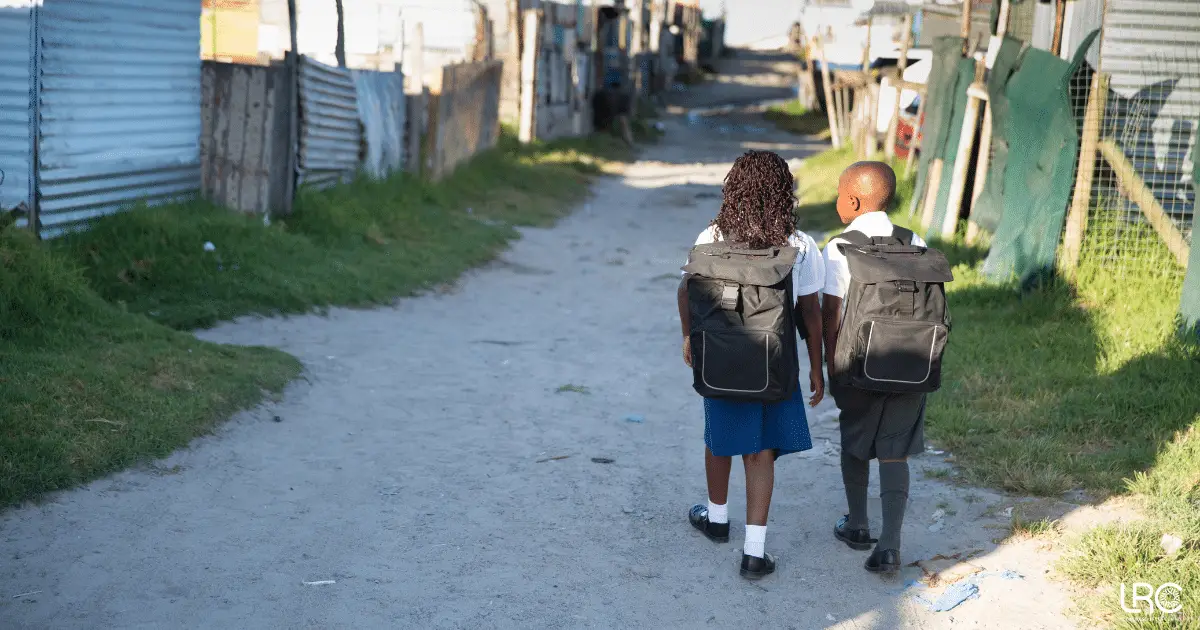
In the Eastern Cape, years of school closures and consolidation have pushed learners into larger schools far from their homes, forcing many children to travel extreme distances each day. School placement failures now compound this burden. When learners cannot secure places at their nearest schools, the system places them elsewhere, often far outside their communities, extending their daily journeys even further. This is not only a provincial problem. By late 2025, reports showed that more than 168,000 learners across South Africa still walked long distances or paid out of pocket for transport despite qualifying for government support.
The courts have recognised the gravity of this crisis. On 17 December 2024, the High Court in Makhanda affirmed that “the right to basic education is hollow if learners cannot reach school safely” and ruled that scholar transport forms an integral part of that right. The court ordered the Eastern Cape Departments of Education and Transport to provide transport to all qualifying learners from the start of the 2025 school year and imposed strict reporting requirements for seven months to account for every learner left without a service.
Court oversight delivered measurable, though incomplete, progress in 2025. Authorities took a critical step by verifying the provincial scholar transport dataset, which finally clarified the scale of need: 50,740 learners across 207 schools require transport. This improved data enabled better routing and the use of existing operators, expanding access for thousands of learners.
Yet these gains fall short. Thousands of qualifying learners still face the same dangers, delays, and disruptions that the court case sought to end. The 2026 school year will again begin with many learners on the back foot, and there is no clear indication that the province will fully implement the court order in the near future. As a result, further legal action is now underway.
Litigation has already shifted the terrain. It has improved transparency, strengthened accountability, and delivered tangible benefits for many learners. But the Eastern Cape’s matric outcomes, combined with ongoing placement pressures at the start of the school year, underscore what is at stake when scholar transport fails: lost teaching time, exhausted children, increased dropout risk, and an education system that shifts the cost of state inaction onto learners themselves.
Every year, new learners qualify for transport, and every year families must fight the same battles again — province by province, route by route. South Africa urgently needs binding scholar transport regulations to ensure proper planning, adequate funding, and recognition of transport as a core component of education delivery. We urge the Ministers of Transport and Basic Education to act decisively, so that qualifying learners receive transport from the first day of school, without having to rely on litigation simply to reach their classrooms safely.