
Farm Worker Voices Reach Parliament: A Landmark Moment for Accountability
2 July 2026
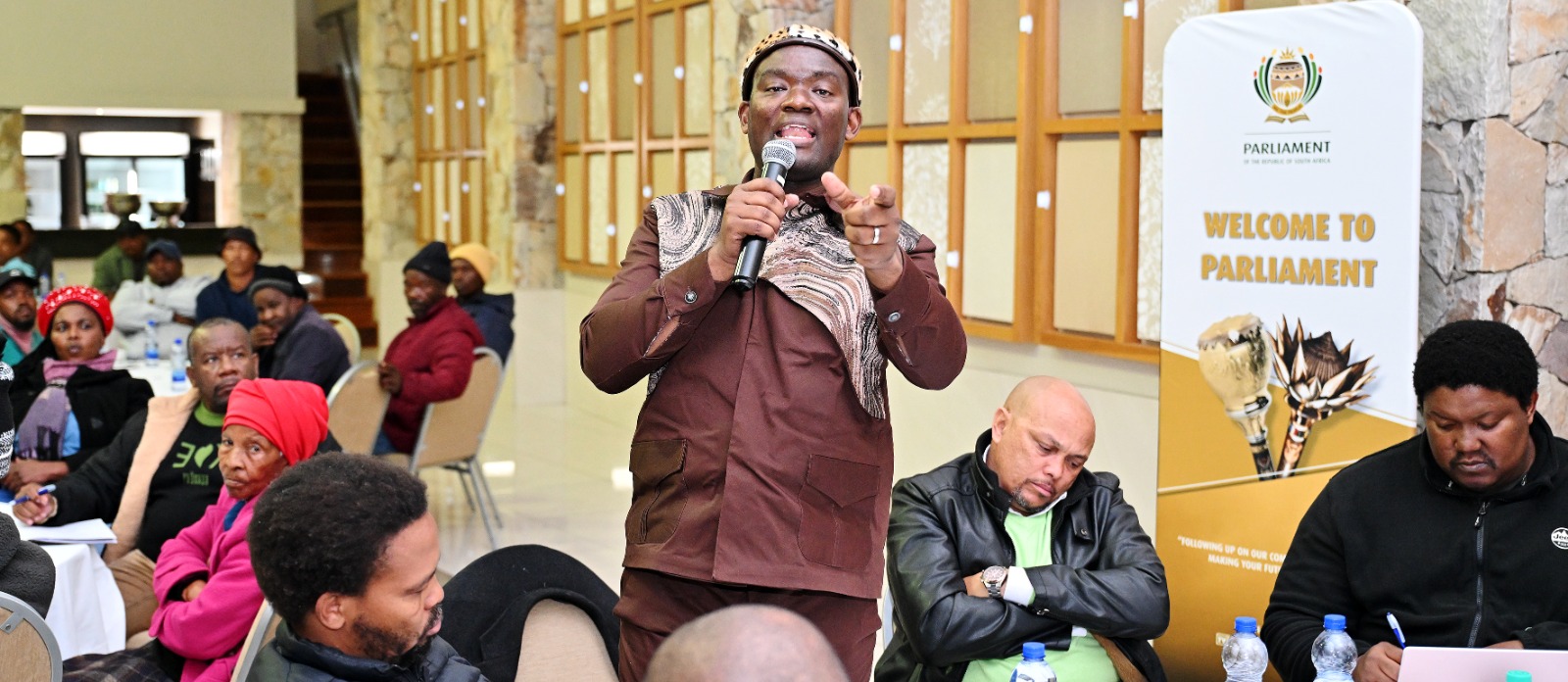
For many farm worker beneficiaries, the promise of land reform has too often remained out of reach. In June, that reality was placed directly before Parliament when beneficiaries of Farm Worker Equity Schemes in the Eastern Cape shared their experiences with Members of Parliament during oversight visits. Their accounts raised urgent questions about accountability, public investment, and whether these schemes have delivered the meaningful change they were meant to achieve.
In June, the Portfolio Committee on Land Reform and Rural Development conducted oversight visits to Farm Worker Equity Schemes in the Eastern Cape. These visits marked an important milestone in the LRC’s continued efforts to support accountability, justice and meaningful reform for farm worker beneficiaries.
The oversight process followed a petition submitted to the Speaker of Parliament by the Farm Worker Equity Scheme Movement, made up of the Legal Resources Centre, Corruption Watch, Surplus People Project and the Support Centre for Land Change. The petition was later referred to the Portfolio Committee on Land Reform and Rural Development for consideration.
The petition placed before Parliament the broader context of the Farm Worker Equity Scheme programme. It highlighted that more than R700 million in public funds had been invested in these schemes, while raising serious concerns that very few had delivered meaningful social or economic benefits to the farm workers they were intended to support.
It also documented the experiences of beneficiaries across the country and called for decisive action. This included accountability by the State, the implementation of recommendations contained in the Zalo Report, a comprehensive audit of all Farm Worker Equity Schemes, and a clear commitment to alternative development models. These include worker led agrarian reform initiatives that promote genuine ownership, secure tenure, democratic governance and equitable access to land and agricultural resources.
Following the petition, representatives of the Farm Worker Equity Scheme Movement appeared before the Portfolio Committee to present the concerns raised by beneficiaries. After hearing this evidence, the Committee resolved to undertake oversight visits to the schemes, allowing Members of Parliament to engage directly with farm workers and hear their experiences in their own words.
Oversight visits were conducted in the Western Cape in March, and more recently in the Eastern Cape.
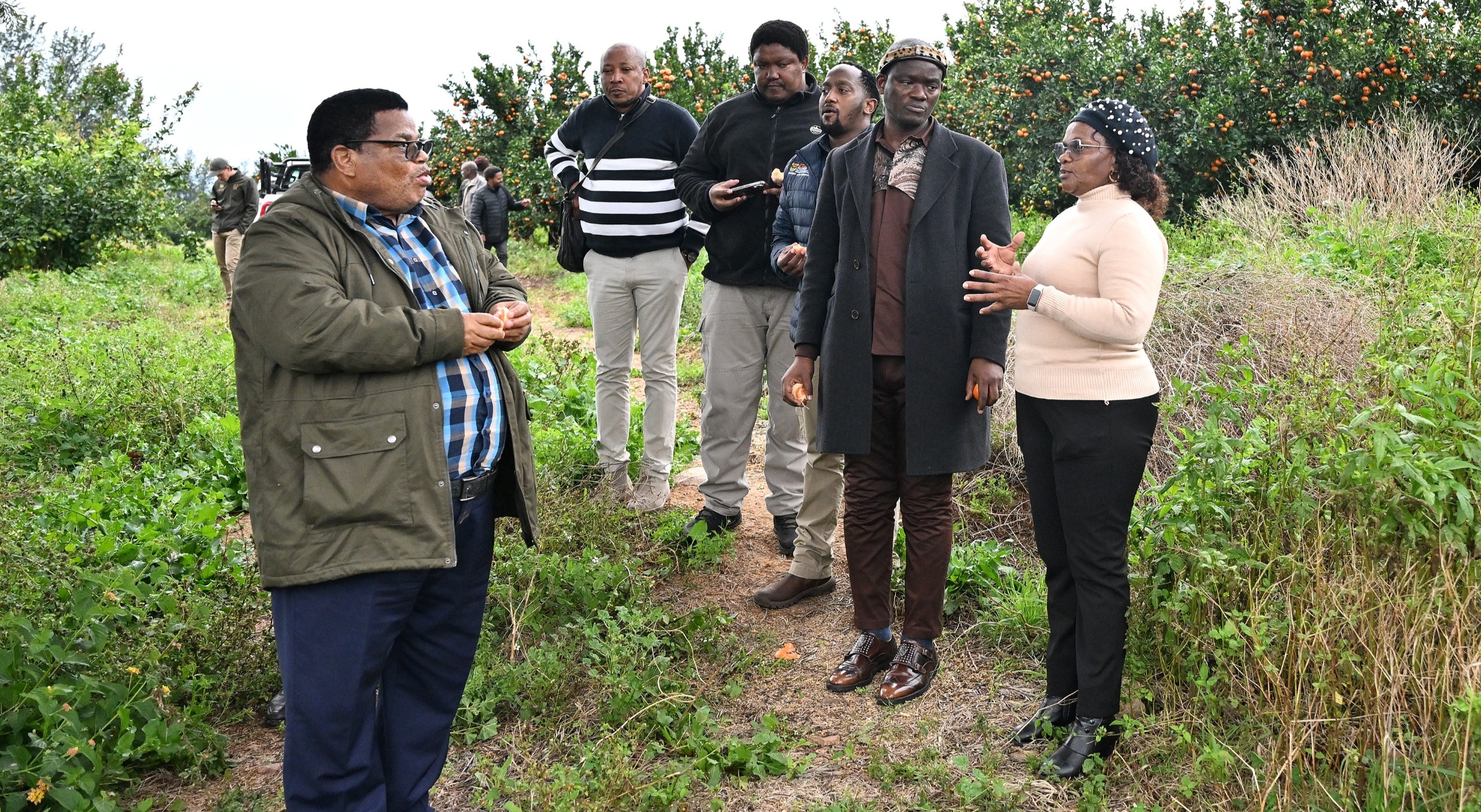
For many farm workers, these visits were the first time they had the opportunity to speak directly to Members of Parliament about their lived experiences. Beneficiaries consistently described how they had received little or no information about the schemes. Many said they were simply told they had become beneficiaries, or were instructed to elect trustees without understanding the role or responsibilities of trustees.
Several beneficiaries also shared that when they sought answers or questioned decisions, their concerns were ignored or dismissed.
Although the schemes differed in location and structure, the stories shared over the three day oversight process were remarkably consistent. They revealed a pattern of poor communication, limited beneficiary participation, inadequate support and a lack of effective oversight by the Department. Taken together, these accounts painted a troubling picture of a programme that has fallen far short of its intended purpose.
Department officials accompanied the oversight visits, including the Chief Director for Rural Development and Agrarian Reform in the Eastern Cape. During the engagements, concerns were raised about the Department’s limited support to beneficiaries. While officials acknowledged that the Department has technical expertise, they indicated that it lacked the legal capacity required to assist beneficiaries with many of the challenges raised. The Department expressed an interest in collaborating with the LRC to address these gaps.
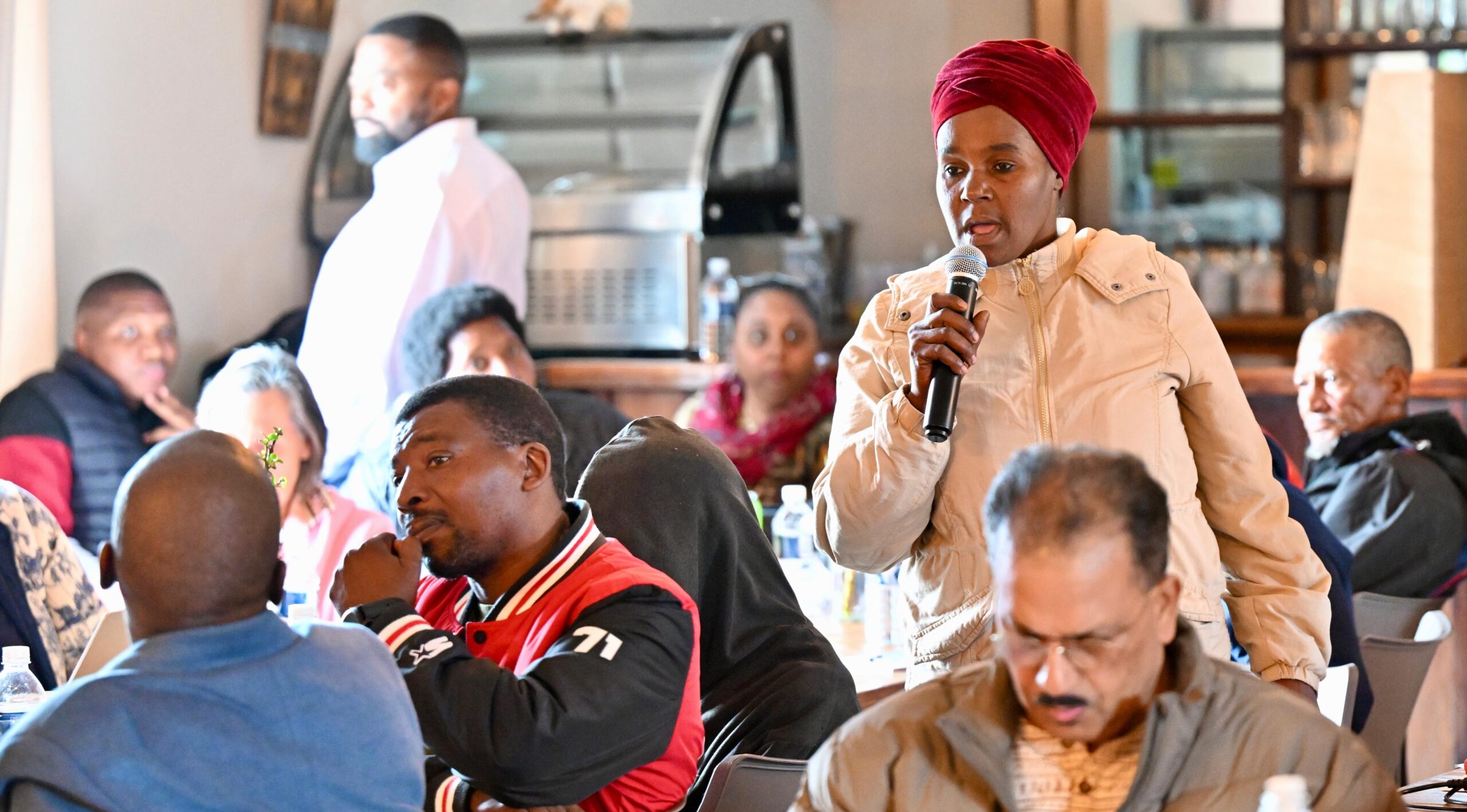
Perhaps the most powerful aspect of the oversight visits was the space they created for some of South Africa’s most marginalised rural communities to speak directly to national decision makers. Farm workers, whose voices are too often overlooked, were able to tell their stories to the Members of Parliament responsible for overseeing the Department tasked with implementing the programme.
Their testimony moved the discussion beyond reports, budgets and policy documents. It gave Parliament a clearer understanding of the realities facing farm worker beneficiaries and the consequences of a programme that has not delivered on its promise.
The oversight visits represent an important step towards accountability. They have placed the experiences of farm worker beneficiaries firmly on Parliament’s agenda and created an opportunity for meaningful reform.
The Farm Worker Equity Scheme Movement remains committed to working with beneficiaries, partners and institutions of accountability to ensure that the original promise of the programme is finally realised.